

Blog
Visual Work Instructions: When a Two-Minute Video Beats a 20-Page SOP
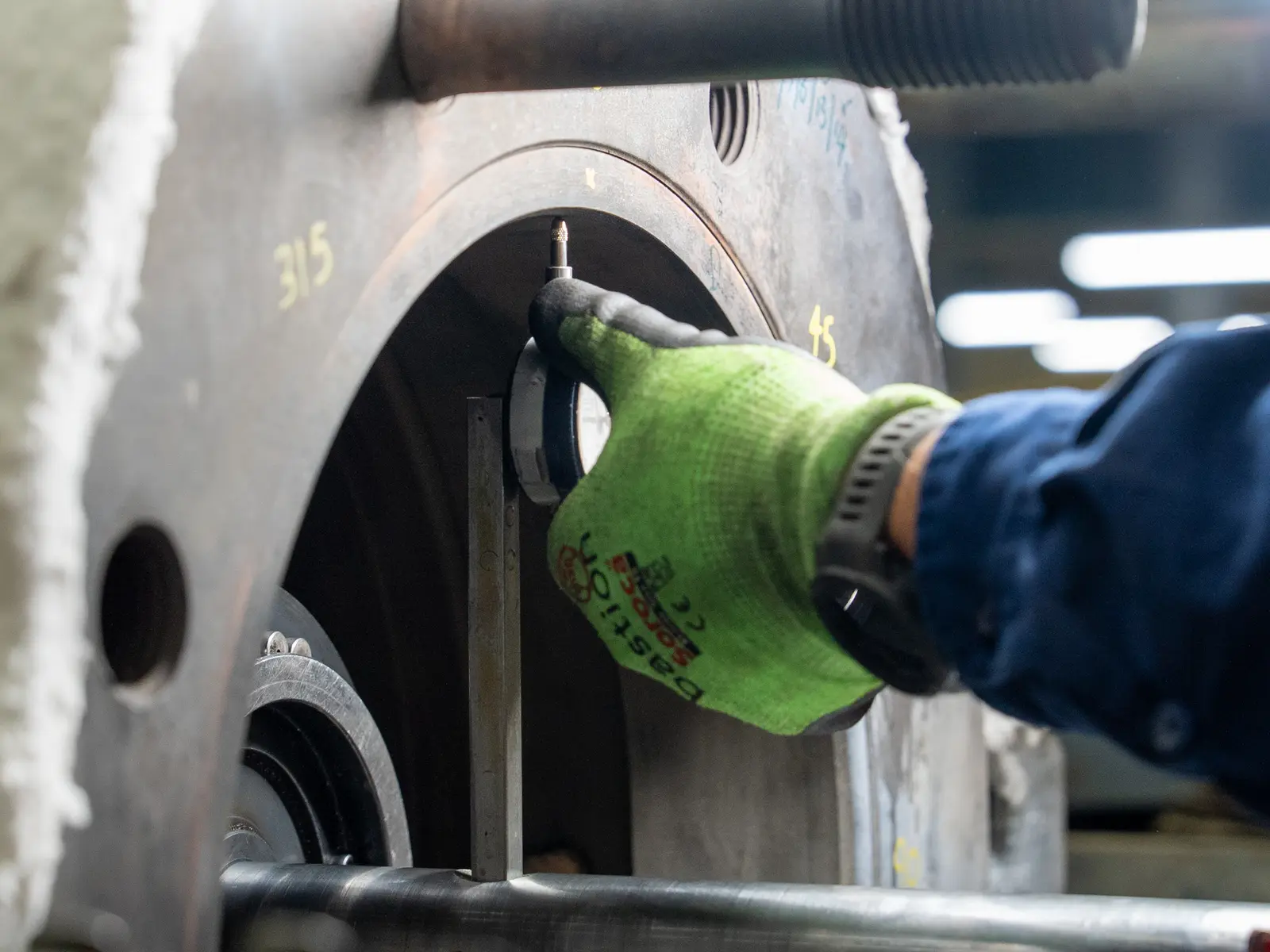
Most plants have a library of standard operating procedures that are accurate, approved and almost never read on the job. They're written for auditors and engineers, which is fine, because that's partly what they're for. But the operator standing at the machine at 2am doesn't open a 20-page document. They ask whoever's nearby, or they do it the way they remember.
A visual work instruction closes that gap. It's a short video, usually one to three minutes, showing one task done properly on the real equipment.
When a video beats the document
- Physical tasks: anything where the hands, the order or the position matters. Changeovers, isolations, adjustments, cleaning, setting up a machine.
- Infrequent tasks: the job someone does twice a year and has to relearn every time.
- Tasks with a trap: the step people get wrong, shown clearly so they don't.
- Mixed-language crews: a video with captions crosses language barriers that a dense document doesn't.
When it doesn't
A video isn't the right tool for every procedure. If the task is mostly decisions rather than actions, or changes every few months, a checklist may serve better. And the written procedure still matters: it's the controlled record. The video is a companion to it, not a replacement.
How to make one that gets used
One task per video
If it needs a second task, it's a second video. Short and specific is what makes them findable and watchable on the job.
Film the real equipment
Your machine, your plant, your PPE, your signage. A generic clip of a similar machine teaches the wrong thing.
Use your best operator
The person everyone already asks. They know where the task goes wrong and they'll explain it in words the crew understands. We script from what they say, then check it against the written procedure with your engineers.
Put it where the work is
A QR code on the machine that opens the video on a phone or tablet. A link in the written procedure. A playlist in your learning system. If people have to go looking for it, they won't.
A small start
Pick the three tasks that cause the most rework, near misses or phone calls to the one person who knows. Film those first, put them on the machines and see whether the calls stop. That tells you more than any business case.
See how we make procedure and work instruction videos, or read how to capture the know-how behind them.